You tried Meta ads once. You boosted a post, maybe ran a new-patient special, and watched a pile of cheap leads roll in.
Half never answered the phone. The other half wanted to know if you took their insurance.
You came to the conclusion that Meta ads don’t work for dentists and went back to hoping for referrals.
Here’s what actually happened.
Meta didn’t fail you. The volume playbook did.
Meta ads for dentists get sold as a lead-generation firehose: boost this, discount that, count the leads.
That approach is built for a volume practice that wins on patient count, and it attracts exactly the price-shopping patients a fee-for-service practice is trying to avoid.
Wrong tool, wrong patient, wrong scoreboard.
Used correctly, Meta is something completely different. It’s the one channel where you can put a specific five-figure case, a smile makeover, a full-arch implant solution, directly in front of the specific person most likely to want it, before they’ve even started searching.
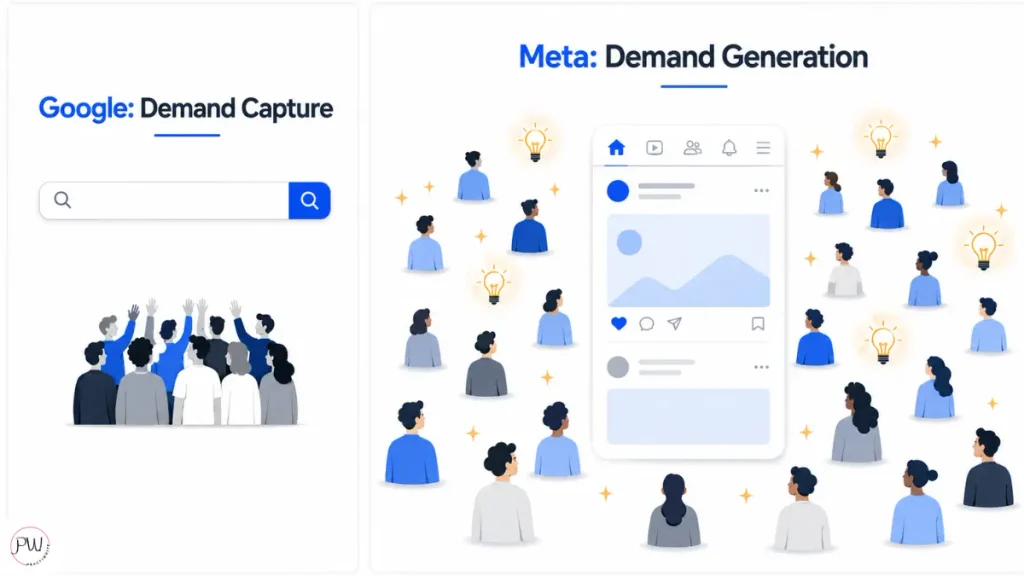
Google waits for demand. Meta creates it.
So here’s the answer we’ll spend this post proving. Meta ads work for fee-for-service practices when you stop chasing cheap leads and start manufacturing demand for high-value cosmetic and implant cases, using
- Precise targeting
- Outcome-driven creative
- And a funnel that qualifies patients instead of just collecting them
You’re not fishing with a net. You’re operating with a scalpel.
That’s a different kind of work than boosting a post. It’s also the difference between a Meta budget that bleeds and one that books cases.
Let’s get into how it’s done.
Do Meta Ads For Dentists Actually Work?
Meta ads are paid placements that run across Facebook, Instagram, and their partner feeds, and yes, they work for dentists, but only for the right cases run the right way. For routine, price-driven volume, Meta usually disappoints. For high-value cosmetic and implant cases, it can outperform every other channel you run.
The reason for the split is simple. Meta is an interruption channel.
Nobody opens Instagram looking for a dentist. So when you use it to chase people who are actively shopping for a cheap cleaning, you’re fighting the platform. But when you use it to spark desire for a case people didn’t know they could have, a straighter smile, teeth that finally work again, you’re using the platform for exactly what it’s best at.
So the real question was never whether Meta ads work for dentists. It’s whether you’re advertising the right cases, to the right people, the right way. Are you?
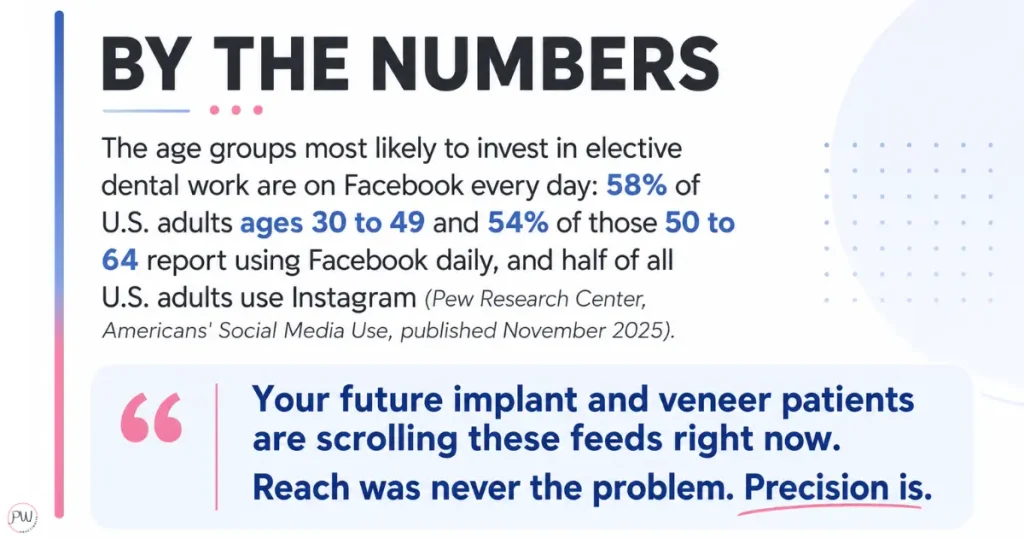
Why Do Most Dental Meta Ads Waste Money?
The standard dental Meta playbook is a volume strategy: boost a few posts, run a new-patient special, and judge the whole thing by how many leads come in. It wastes money because it optimizes for the cheapest possible lead instead of the most valuable possible patient.
Start with the boosted post. Boosting is Facebook’s easy button, and it’s built to maximize cheap engagement, likes and comments from people who will never book.
You get a dopamine hit from the notifications and nothing in the schedule. Then there’s the new-patient special, which does to Meta exactly what it does everywhere else: it sorts for price shoppers. Now you’re paying Meta to deliver the patients you want the least.
The deeper problem is the scoreboard.
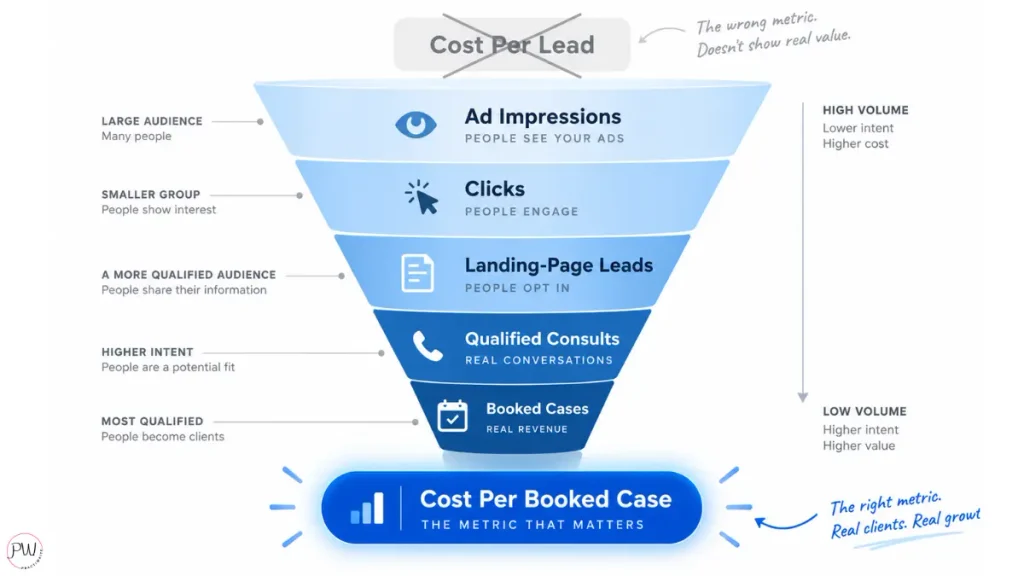
When you measure Meta by lead count and cost per lead, you’ll always be pushed toward cheaper, lower-quality leads, because that’s what those metrics reward. Fifty leads at $8 each looks like a triumph on a dashboard and produces zero implant cases. One lead at $400 that becomes a $30,000 full-arch case looks ‘expensive’ by that same dashboard and pays for the entire campaign.
So if cheap leads are the trap, what should a fee-for-service practice actually be buying with its Meta budget? Cases.
What Makes Meta Ads Work For Cosmetic And Implant Cases?
Meta ads work for cosmetic and implant cases because those cases share three traits the platform rewards: they’re visual, they’re aspirational, and they carry enough value to absorb a higher acquisition cost. Put those together and you have the rare dental service worth interrupting someone’s feed for. Let’s break down why the fit is so good, and why the mental model matters more than any tactic.
Why Are These Cases A Fit For Meta’s Visual, Demand-Generation Model?
Cosmetic and implant cases fit Meta because they sell a transformation people can see and feel, not a commodity they price-compare. A cleaning is a grudge purchase. A new smile is an aspiration.
Meta is a visual, emotional, scroll-stopping environment, which is useless for selling an $89 exam and ideal for selling the confidence of finally fixing something someone has felt self-conscious about for years.
The economics seal it. A high-value case can absorb a much higher cost to acquire, so you can afford to run real campaigns to real prospects instead of scraping for the cheapest click. When one booked case is worth five figures, you’re playing a completely different game than the practice trying to buy $30 cleanings on Facebook.
How Is Meta Different From Google For High-Value Cases?
The core difference is intent: Google captures demand that already exists, while Meta creates demand that didn’t. On Google, someone types ‘dental implants near me’ because they’ve already decided they want implants. That’s powerful, but it’s a small pool, and everyone is bidding on it.
Meta plays earlier. It reaches the person who’s embarrassed by their smile but has never once searched for veneers, because they didn’t know it was an option for someone like them.
Your ad plants the idea. That’s demand generation, and it’s how you fill a high-value pipeline instead of fighting competitors over the handful of people already searching.
So, should you run Google or Meta? For high-value cases, the smart answer is both, aimed at two different stages of the same patient’s journey.
How Do You Build A Meta Ad That Attracts High-Value Cases?
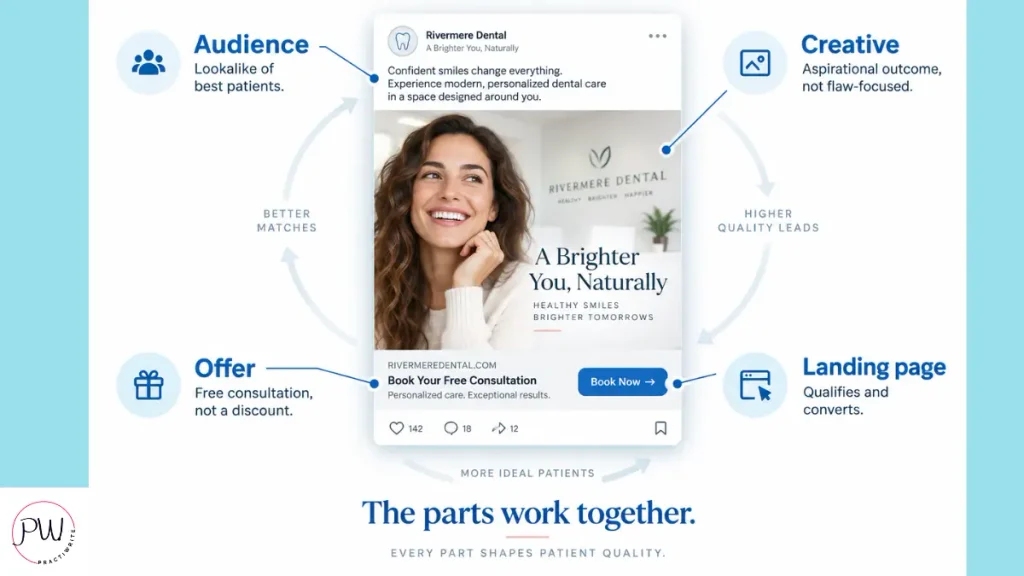
A high-value Meta ad is built from three parts working together: the right audience, outcome-driven creative, and an offer that qualifies instead of discounts. Miss any one and the whole thing reverts to a lead-count machine. Get all three aligned and you’ve built a scalpel.
How Do You Target The Right Patients?
Targeting the right patients means narrowing your audience to the people most likely to want and afford a high-value case, not everyone within ten miles. ‘Everyone nearby’ is how you burn your budget on people who will never book.
Layer your targeting. Start with location and a sensible age range, then reach for higher-intent signals: interests and behaviors that correlate with disposable income and appearance investment. And, most powerfully, lookalike audiences built from your actual high-value patient list.
A lookalike of your best implant patients tells Meta to go find more people just like them. That’s the closest thing to cloning your ideal patient that marketing has ever offered.
What Should Your Creative And Offer Say?
Your creative should sell the outcome and your offer should lower risk, not price. Lead with the life on the other side of the case, the confidence, the comfort, the function, and speak to the aspiration rather than the procedure. Then offer a low-risk next step, a complimentary consultation for the case, not a discount.
This is the same principle that attracts high-value patients everywhere: you win on positioning, not price.
One critical guardrail before you launch. Meta enforces strict rules on health and appearance ads, and enforcement has gotten more aggressive.
Per Meta’s own advertising standards, ads can’t use flaw-focused or negative-self-perception framing, can’t imply they know something about the viewer’s body or condition, and face tight limits on before-and-after imagery showing idealized results.
The compliant move is to lead with positive, aspirational creative, avoid ‘you’ language that diagnoses a flaw, target adults only, and keep any dramatic transformation proof on your landing page rather than in the ad itself. Meta updates these rules in place, so would you rather spend ten minutes checking the current policy, or lose the ad account you built your pipeline on?
How Do You Turn Ad Clicks Into Booked Cases?
Turning clicks into cases means building a funnel that qualifies and converts interested prospects, because a click is not a patient and a lead is not a case. Most Meta budgets die in the gap between ‘someone clicked’ and ‘someone booked.’ Close that gap and everything changes.
Send clicks to a dedicated landing page, not your homepage. The page should:
- Speak to the exact case the ad promised
- Show proof
- Answer the obvious questions
- And make one clear next step easy
- Then qualify
A short set of questions, or a consultation booking rather than a raw form fill, filters out the tire-kickers before they eat your front desk’s time. Finally, follow up fast and persistently, because high-value prospects compare options and go quiet, and the practice that responds in minutes and follows up for weeks wins the case the practice that emails once and forgets never does.
Here’s the mindset shift that makes all of it work: stop counting leads and start tracking cases. Cost per lead is a vanity number. Cost per booked case is the only figure that tells you whether your Meta budget is an investment or a donation.
How Do You Know If Your Meta Ads Are Working?
You know your Meta ads are working when they produce booked high-value cases at a cost your case value can easily absorb, measured in cost per acquired case and return on ad spend, not leads or clicks. If your reporting stops at ‘leads generated,’ you have no idea whether the money worked.
Track three things:
- First, cost per acquired case: total spend divided by the cosmetic and implant cases the ads actually booked.
- Second, return on ad spend: the production those cases generated against what you paid. A single $25,000 case from a $2,000 month is a return of 12 to 1, no matter how few ‘leads’ came with it.
- Third, case mix: whether the patients booking are the high-value cases you targeted or a drift back toward discount-seekers, which usually signals your targeting or offer slipped.
And give it room. These cases have long consideration cycles, someone might see your veneer ad in February and book a consult in April, so judge performance on a rolling 90-day window, not a knee-jerk two-week read.
Are you measuring the cases your ads produced, or just admiring how many people clicked?
Do Meta ads work for dentists?
Meta ads work for dentists when they are used to promote high-value cases rather than to chase low-cost leads. Routine, price-driven services tend to perform poorly on Meta because the platform interrupts users rather than capturing active search intent. Cosmetic and implant cases, which are visual, aspirational, and high in value, are far better suited to Meta’s demand-generation model and can deliver strong returns for fee-for-service practices.
How much should a dental practice budget for Meta ads?
There is no fixed figure, because the right Meta budget depends on case value and cost per acquired case rather than a flat monthly amount. Because a single cosmetic or implant case can be worth five figures, a fee-for-service practice can justify a meaningful budget as long as spend is measured against booked cases and return on ad spend. A practice new to Meta often starts with a modest test budget, tracks cost per case, and scales what works.
Facebook ads or Google ads for dental implants, which is better?
The two serve different stages of the patient journey, so the strongest approach usually uses both. Google ads capture existing demand from people already searching for implants, which is high in intent but limited in volume and competitive. Meta ads generate new demand by placing the possibility of treatment in front of people who have not yet started searching. Together they cover both the patients ready to act and the larger pool who can be persuaded to consider treatment.
Can you use before-and-after photos in dental Meta ads?
Before-and-after imagery is high-risk under Meta’s health and appearance advertising standards, and enforcement has become stricter. Meta’s policies restrict before-and-after images that display idealized results and prohibit creative that uses flaw-focused or negative-self-perception framing or that implies knowledge of a viewer’s condition. Many practices keep transformation proof on the landing page instead of the ad, lead with aspirational imagery, target adults only, and verify Meta’s current policy before each campaign, since the rules change over time.
How long before Meta ads produce cosmetic or implant cases?
High-value cases carry long consideration cycles, so results are best measured over a rolling 90-day window rather than in the first days of a campaign. A prospect may see an ad, research quietly for weeks, and book a consultation a month or more later. Practices that track cost per acquired case and return on ad spend across that longer window make better decisions than those reacting to early lead counts.
Wrapping Up: Trade The Net For A Scalpel And Meta Starts Paying Off
Here’s the whole argument in one breath. Meta ads don’t fail fee-for-service practices, the volume playbook does, because boosting posts and running specials buys the cheapest leads instead of the most valuable cases.
Flip the model. Use Meta as a scalpel: target the specific people most likely to want a five-figure case, sell the outcome instead of a discount, qualify hard, and measure cost per booked case instead of cost per lead.
Do that and Meta becomes the one channel where you don’t wait for demand, you create it, putting your best cases in front of patients who didn’t even know they wanted them yet.
But even the sharpest ad campaign dies if it sends motivated patients to a foundation that can’t close them. If your website doesn’t sell the case and your Google Business Profile doesn’t back up your claims with proof, you’re paying Meta to send patients somewhere that talks them out of it.
Schedule your 100% free Dental Practice Roadmap. Your Dental Practice Roadmap is a GBP and website audit that shows you exactly where you stand, what keywords you’re ranking for now, what you should be ranking for, and a step-by-step plan to close those gaps.
No vague recommendations. No fluff. Just a clear picture of what’s broken and what to do about it.
Book your Dental Practice Roadmap and get yours today now.

10+ year content strategist, writer, author, and SEO consultant. I work exclusively with fee-for-service dental practices that want to build value, not volume.